
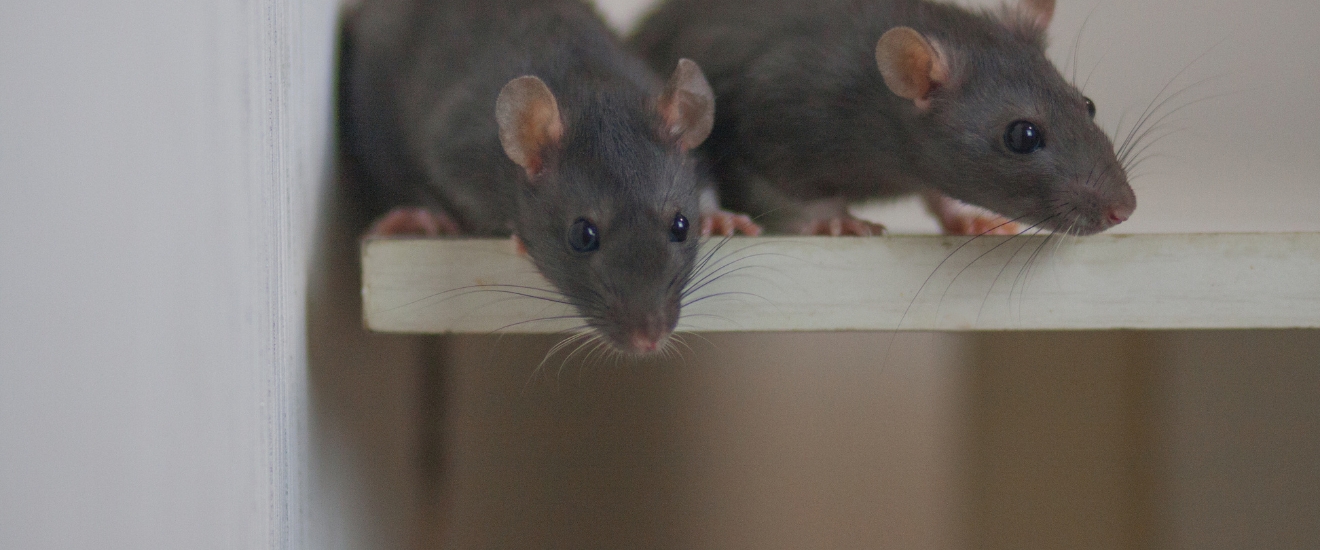
Rodent problems are common throughout Maryland, Washington, DC, and Northern Virginia because the region gives mice and rats steady access to food, water, shelter, and connected travel routes. Dense neighborhoods, older buildings, active construction, wooded edges, restaurants, alleys, and changing seasons all contribute to local rodent pressure. Once a mouse or rat finds a usable opening, it can move from the outside environment into wall voids, storage areas, kitchens, garages, and attics. Professional rodent control in the DMV starts by identifying the animal, locating its access points, and addressing the conditions supporting its activity.
The DMV Gives Rodents Plenty of Places to Live
The DMV includes urban blocks, established suburbs, townhome communities, wooded residential areas, and busy commercial corridors. Each setting creates different opportunities for rodents. Rats may establish burrows near dumpsters, retaining walls, dense vegetation, or areas with disturbed soil. Mice frequently use sheltered spaces close to buildings and can enter through very small gaps.
Development also changes rodent movement. Demolition, excavation, utility work, and renovation can disturb nesting and feeding areas. Rodents displaced by that activity search nearby for new shelter. A home with accessible gaps, pet food in the garage, or dense vegetation against the foundation may become an easy destination.
Connected buildings add another layer to the problem. In row houses, apartments, condominiums, and townhomes, rodents can follow pipe runs, utility chases, ceiling spaces, and shared walls. Activity observed in one unit may originate elsewhere in the structure. A useful inspection therefore considers the visible room and the larger route that may lead into it.
Small Openings Give Rodents a Way Inside
Mice have flexible bodies and can use openings that appear surprisingly small. Common access points form around utility lines, garage doors, exterior doors, vents, roof intersections, siding edges, and foundation penetrations. Building materials also shift with age. Caulk separates, weatherstripping wears down, mortar deteriorates, and repairs leave small gaps around new pipes or cables.
Rats require a larger opening, but they are strong climbers and persistent diggers. Depending on the species and property, they may enter near the foundation, through a damaged vent, along a utility route, or from an upper roofline. Tree limbs, fences, downspouts, and adjoining structures can help them reach areas that receive little attention during a ground-level inspection.
An open garage door makes access especially easy. Mice can enter while the door is raised and remain hidden behind stored belongings. A worn bottom seal or uneven threshold can also leave a usable gap when the door is closed. Garages often contain cardboard, fabric, bird seed, grass seed, or pet food, giving a new arrival both nesting material and a food source.
Indoor Conditions Help a Small Problem Continue
A rodent that enters a home immediately begins searching for protected travel paths. Wall voids, cabinet bases, drop ceilings, insulation, and storage areas provide cover. Crumbs under appliances, accessible pantry goods, pet bowls, unsecured trash, and spilled seed can provide plenty of food even when counters look clear.
Water sources may also influence where signs appear. A leaking pipe, condensation, a pet water bowl, or moisture around a utility area can draw rodents toward a particular part of the home. The location of droppings or gnawing often reflects a route between shelter and resources.
Seasonal changes increase indoor movement, especially during fall and winter, but rodent infestations occur throughout the year. Summer construction, outdoor food sources, storms, landscaping changes, and neighboring pest pressure can all shift activity. A quiet period also offers limited reassurance because mice and rats tend to move after dark and stay close to protected edges.
Effective Control Connects Removal With Prevention
Traps may reduce the active population, but entry points and supporting conditions determine whether the result lasts. A complete plan begins with evidence. Dropping size and shape, gnaw marks, tracks, rub marks, noises, nesting material, and the location of sightings help distinguish mice from rats and reveal likely routes.
The exterior inspection then looks for openings and structural conditions connected to those interior signs. Exclusion closes confirmed and potential access points with materials suited to the location. Sanitation and storage changes reduce food and nesting opportunities. Targeted removal addresses the animals already inside, and follow-up monitoring helps determine whether activity has ended.
Rodent pressure is part of life across the DC metro area, but access to your home can be reduced. If you are hearing movement, finding droppings, or seeing signs around the kitchen, garage, attic, or basement, contact Pestechs to schedule an inspection and get a plan based on your property.