
If you have ever found ants in a second-floor bathroom, a mouse in the attic, or a cockroach in the kitchen with every door and window closed, the question is obvious: how did it get in? The answer is that residential construction—even tight, well-maintained construction—has dozens of potential entry points that pests exploit. Understanding how pests access your Rockville home is the first step toward closing the gaps that let them in.
Foundation-Level Entry
The foundation is where most pest entry occurs in Rockville homes because it is where the structure meets the soil—and the soil is where the majority of pest populations live.
Cracks in the foundation
Every foundation develops cracks over time from settling, freeze-thaw cycling, and the natural movement of the soil beneath it. In Rockville, where winters produce enough freezing to expand and contract concrete annually, even well-built foundations develop hairline cracks that ants, cockroaches, and other small insects use as direct pathways from the soil into the structure. Mice can squeeze through a crack as narrow as a quarter inch.
The sill plate junction
The point where the foundation meets the wood framing of the house—the sill plate—is one of the most common pest entry points in residential construction. Over time, a gap develops between the concrete and the wood as materials shift and settle. That gap is invisible from the outside but provides continuous access for ants, cockroaches, silverfish, and centipedes.
Utility penetrations
Every pipe, wire, and conduit that passes through the foundation wall creates a potential entry point. Plumbing supply lines, drain pipes, electrical conduit, HVAC lines, cable, and internet wiring—each one requires a hole in the foundation, and most are not sealed tightly enough to exclude insects or mice.
Garage doors
The gap beneath the garage door is rarely tight enough to exclude mice. The rubber seal wears unevenly, the concrete apron shifts over time, and the corners where the seal meets the frame are almost never flush. A mouse needs a gap the size of a dime. Most Rockville garage doors have several.
Above-Ground Entry
Windows and doors
Worn weatherstripping, aging caulk, and gaps around frames provide entry for ants, spiders, and flying insects. Sliding doors are particularly vulnerable—the track collects debris that prevents a tight seal, and the weatherstripping along the sides and bottom deteriorates with use.
Weep holes
Brick homes in Rockville have weep holes—small openings at the base of the brick veneer that allow moisture to drain. They also allow insects and spiders to enter the wall cavity. Screening weep holes with copper mesh or purpose-built covers reduces pest entry without blocking drainage.
Dryer vents, exhaust hoods, and bathroom fans
Any vent that exits the home through an exterior wall or the roof is a potential entry point when the flap or screen is damaged, stuck open, or missing entirely. Rodents, wasps, and various insects use these openings.
Soffits and eaves
Gaps where the soffit meets the fascia, damaged soffit panels, and openings around attic vents provide access for wasps (which build nests in the sheltered space), roof rats, squirrels, and overwintering insects. In Rockville’s older neighborhoods, where homes have had decades of wear on exterior trim, these openings are common.
Below-Ground Entry
Subterranean termites
The entry method for eastern subterranean termites is fundamentally different from other pests. They build mud tubes from the soil up the foundation wall and into the wood framing. These pencil-width tunnels can follow the interior of the foundation, travel along plumbing penetrations, and access the structure through areas that are not visible without inspection. Subterranean termites do not enter through cracks and gaps—they build their own pathways.
Drain pipes
American cockroaches—the large, reddish-brown species—commonly enter Rockville homes through floor drains, sink drains, and sewer connections. They live in the sewer system and navigate through pipes to emerge inside garages, basements, and utility rooms.
What Rodents Exploit
Rodents deserve separate attention because their entry methods are particularly difficult to detect without professional inspection.
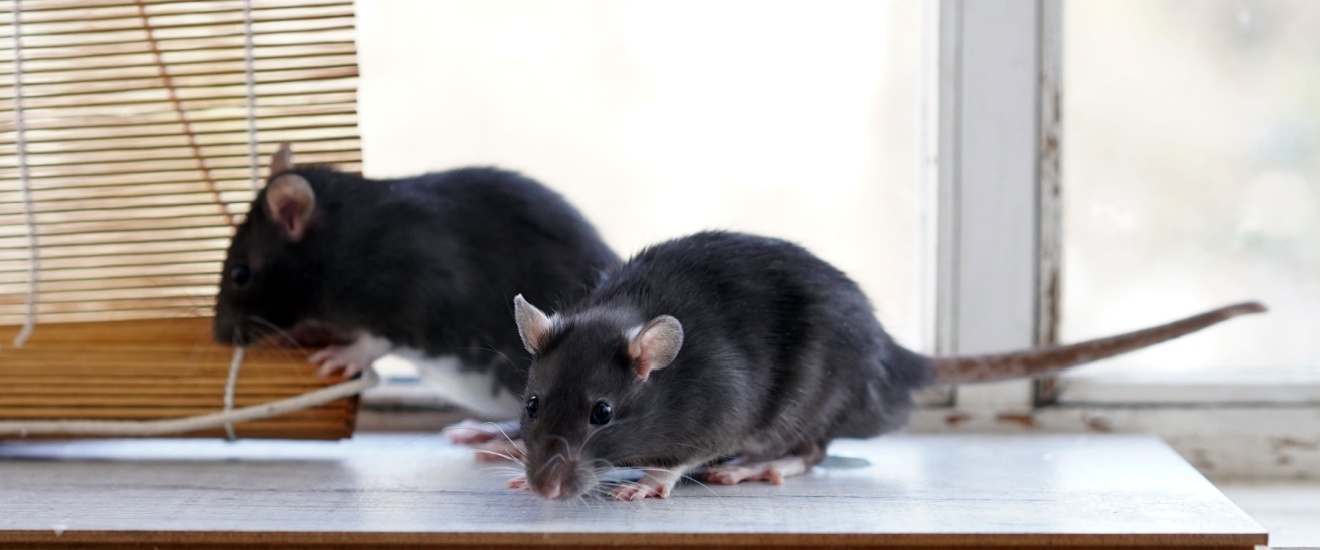
Mice enter through gaps the size of a dime—around pipes, where wiring enters the house, at the base of door frames, through damaged soffit, and through any opening that provides a pathway from the exterior to the wall cavity. Norway rats need a slightly larger opening but can gnaw through wood, expanding foam, and soft metals to enlarge gaps that were not originally big enough.
The most common rodent entry points in Rockville homes include the gap beneath the garage door, utility penetrations through the foundation, damaged or missing crawl space vent screens, gaps where the roofline meets the wall, and the openings around HVAC lines and refrigerant pipes on the exterior of the home.
Professional rodent exclusion—identifying and sealing every active and potential entry point with rodent-proof materials—is the only reliable method for preventing future rodent entry. Trapping removes the rodents already inside. Exclusion stops new ones from following the same paths in.
What Homeowners Can Do
A thorough walk around the exterior of your home—at ground level and above—reveals more entry points than most homeowners expect:
- Check the foundation for visible cracks and gaps
- Inspect where pipes and wiring penetrate the exterior wall
- Examine the garage door seal for gaps and wear
- Look at window and door weatherstripping for deterioration
- Check soffit and fascia for damage or openings
- Ensure vent covers and screens are intact
- Pull mulch back from the foundation to expose the base of the wall
Sealing visible entry points with caulk, copper mesh, steel wool, or hardware cloth reduces pest access. But a professional inspection identifies the entry points you cannot see—the ones inside the crawl space, along the roofline, and behind finished walls—that most homeowners miss.
If pests keep finding their way into your Rockville home and you want to find out how, contact Pestechs for a free estimate.