

Request a Free
Estimate Today!
"*" indicates required fields

Why Fleas and Ticks Thrive in
the DMV
The DMV’s humid summers, mild spring/fall weather, and abundant wildlife corridors create ideal conditions for fleas and ticks. Even well-maintained properties can experience outbreaks when pets, neighborhood animals, or wildlife (like deer, foxes, raccoons, and feral cats) travel through yards and bring hitchhikers close to the home. Shaded lawns, leaf litter, fence lines, and damp areas around shrubs and crawl space vents are common “hot zones” where ticks and fleas persist.
Pests We Eliminate From Your Home
Protecting Your Home And Family Is
Our #1 Priority
Try Pestechs Today - We Guarantee 100% Satisfaction
Fleas in the House Often Mean Eggs Are Present
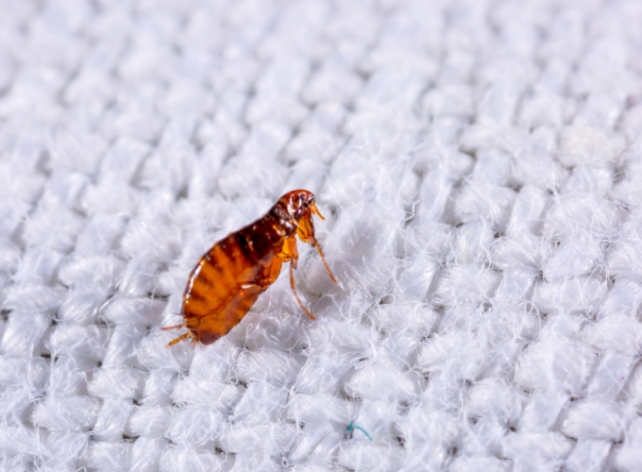
If you’re seeing fleas on pets or getting bites around ankles, the problem often isn’t just adult fleas. Fleas develop in stages, and eggs can fall into carpet, rugs, pet bedding, cracks in flooring, and upholstered furniture. That’s why successful flea control focuses on breaking the life cycle—not just knocking down what’s visible today.
Ticks in the Yard Can
Spread Fast
Ticks don’t just live in deep woods. In the DMV, they’re often found along property edges, wooded lines, tall grass, groundcover, and shaded transitions between lawn and landscaping. When tick pressure rises, families often notice ticks on socks, shoes, or pets after a short time outside. Yard-focused control helps reduce tick activity where people and pets spend time most.
How Pestechs Handles Flea & Tick Control
Step 1: Inspection & Hotspot Identification
We identify where activity is most likely—pet rest areas, carpets, entry points, yard edges, and shaded harborage zones.
Step 2: Targeted Treatment to the Right Areas
Treatment may include interior focus (when fleas are indoors), exterior yard focus (when tick pressure is high), or both—based on what your home and property actually need.
Step 3: Life-Cycle Control + Prevention
We use strategies that reduce re-infestation potential, with guidance on pet bedding, vacuuming routines, and yard adjustments that make the property less hospitable.
Simple Steps That Help Before and After Service
- Wash pet bedding on hot and dry on high heat (as fabric allows).
- Vacuum carpets and rugs thoroughly and dispose of debris promptly.
- Keep pet food areas clean and reduce clutter near pet resting spots.
- Mow lawns regularly and remove leaf litter where ticks hide.
- Reduce wildlife attractants near the home when possible.
Your technician can tailor recommendations based on what we find during the visit.
Flea & Tick Treatments Across the DMV
Pestechs provides flea and tick control for homes and businesses across Washington, DC, Maryland, and Northern Virginia. If you’re dealing with biting pests indoors or want to reduce tick activity outdoors, we’ll help you choose the right plan for your property and season.
What Makes Us the #1 Choice
for Pest Control?
Family-Friendly Service
EPA-approved products and trained technicians to protect people, pets, and the environment.
Locally Owned Business
A family-owned company focused on trust, reliability, and personal service.
Guaranteed Protection
If pests come back between visits,
so do we.
What Your Neighbors Are Saying About
Pestechs Pest Control Services
The Cities We Serve in Maryland,
Virginia & Washington DC
Washington, D.C.
Maryland
Northern Virginia
Flea & Tick Control FAQs for Washington, DC,
Maryland & Northern Virginia
How do fleas and ticks get into DMV homes and yards?
Fleas and ticks usually arrive as hitchhikers—on pets, visiting animals, wildlife, or even on clothing and gear after time outdoors. In the DMV, wooded edges, shaded landscaping, and frequent wildlife traffic can increase pressure even in well-maintained neighborhoods.
If my pet has fleas, does that mean my house is infested too?
Not always, but it can happen quickly. Fleas lay eggs that fall off pets into carpets, rugs, cracks in flooring, and pet bedding. If you’re seeing bites indoors or spotting fleas off the pet, it’s a strong sign the environment needs attention—not just the animal.
Why am I still seeing fleas after I treated my pet?
Pet treatments help, but they don’t remove eggs, larvae, and pupae already in the home. You may continue seeing fleas until the life cycle is broken with proper indoor treatment and consistent steps like vacuuming and laundering pet bedding.
Where do fleas hide inside a home?
Common indoor hotspots include:
- Carpets, rugs, and baseboards
- Pet bedding and sleeping areas
- Upholstered furniture
- Cracks in hardwood or tile transitions
- Closets and low-traffic rooms where pets rest
Fleas don’t just stay on pets—they spread into the environment.
How long does it take to get rid of fleas in a house?
Many customers see improvement quickly, but full elimination depends on infestation level and life-cycle timing. Because eggs can hatch after the initial service, follow-up steps—and sometimes follow-up treatment—may be recommended for best results.
What attracts ticks to my yard in the DMV?
Ticks thrive in shaded, humid zones like:
- Wood lines and fence edges
- Leaf litter and tall grass
- Groundcover and landscaped beds
- Transition areas between lawn and brush
Wildlife movement (deer, foxes, raccoons, outdoor cats) can also increase tick activity.
Do ticks only live in the woods?
No. In the DMV, ticks are often found in suburban yards—especially around property borders, shaded landscaping, and areas where pets roam. You can pick up ticks without ever stepping into deep woods.
Can ticks come inside the house?
Yes. Ticks can hitchhike indoors on pets, pant legs, shoes, and outdoor equipment. Checking pets after yard time and reducing yard tick activity are two of the best ways to lower indoor risk.
Do flea and tick treatments cover the whole yard?
Most effective plans focus on high-risk zones rather than blanket spraying everything—edges, shaded harborage areas, landscaped beds, and pet paths. This targeted approach is typically more efficient and effective.
What should I do before a flea treatment?
Helpful prep steps often include:
- Vacuuming carpets and rugs thoroughly
- Washing/drying pet bedding on high heat (as fabric allows)
- Clearing floor clutter in problem rooms
- Noting pet sleeping zones and bite “hot spots”
Your technician should provide a checklist tailored to your home.
Are flea and tick treatments safe for kids and pets?
When applied according to label directions and professional standards, treatments are designed with household safety in mind. You’ll receive instructions on re-entry times and any simple precautions for treated areas and pet items.
Will one treatment solve fleas and ticks?
Sometimes, but not always. Heavy infestations, ongoing wildlife pressure, or missed prep steps can require additional control measures. The best outcomes come from combining professional treatment with prevention steps.
When are fleas and ticks most active in DC, MD, and Northern VA?
Activity typically increases during warmer months, but mild seasons can extend pressure. Fleas can also remain a year-round indoor issue once established in carpets and pet areas.
Do you provide flea and tick control for apartments, condos, and multi-family communities?
Yes. Fleas and ticks can affect pet-friendly buildings and shared outdoor spaces. Pestechs can tailor a plan for units, common areas, and property grounds to reduce ongoing issues.
What are the best prevention tips to keep fleas and ticks from coming back?
Focus on reducing habitat and hitchhikers:
- Keep lawns trimmed and remove leaf litter
- Reduce wildlife attractants near the home
- Wash pet bedding routinely and vacuum consistently
- Check pets after outdoor time and follow vet guidance
- Address shaded edge zones where ticks thrive
Pestechs can recommend property-specific steps after inspection.