
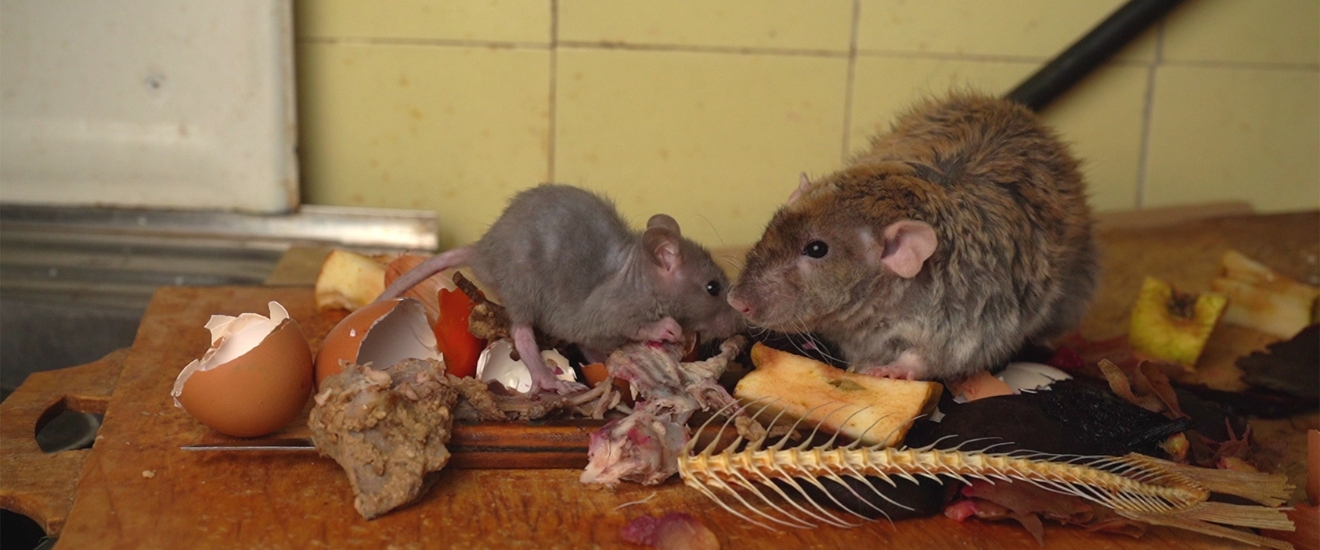
Rodent exclusion is the work of identifying and closing the openings mice and rats use to enter a building. It gives a control plan long-term value because it interrupts the route connecting outdoor rodent pressure with the protected space inside your home. Pestechs includes entry-point evaluation and prevention in its approach to mouse and rat control, along with targeted methods for the rodents already present.
Removal Addresses the Current Animals
Trapping and other control methods focus on active rodents. That step is necessary because sealing a structure while animals remain inside can leave them trapped in wall voids, living areas, or storage spaces. The sequence and timing depend on the property, the species, and the evidence found during inspection.
Removal alone leaves the building available to the next mouse or rat that follows the same route. Rodents repeatedly explore sheltered edges in search of food and nesting sites. Exterior pressure may come from nearby vegetation, alleys, dumpsters, construction, adjacent buildings, or established burrows. A usable opening can support a new episode even after the original animals have been captured.
Exclusion Starts With a Detailed Inspection
Effective exclusion requires a full view of the building. The inspection considers the foundation, door thresholds, garage, utility penetrations, vents, siding, roofline, soffits, additions, and transitions between materials. It also considers how evidence is distributed indoors.
Droppings concentrated near a kitchen cabinet suggest a different travel pattern from noises limited to an attic. Rat burrows beside a foundation call for a different response from mouse activity around a garage. Species identification, location, and building design all shape the exclusion plan.
The active entry point may be different from the smallest obvious gap. Inspectors look for signs such as rub marks, gnawing, disturbed dust, tracks, damaged materials, and nearby droppings. They also identify potential openings that could support future entry even when current evidence is limited.
Materials Must Fit the Opening and the Structure
Rodents can gnaw through or displace weak materials. Temporary fillers may deteriorate, pull away, or leave space at the edges. Professional exclusion uses durable materials and installation methods appropriate for each opening.
A utility penetration may need a different treatment from a garage threshold or roofline gap. Vents must continue to ventilate, doors must operate properly, and drainage paths must remain functional. The goal is to close rodent access while preserving the purpose of the building component.
This is one reason a can of expanding foam rarely provides a complete exclusion strategy. Foam may have a supporting role in certain assemblies, but exposed foam alone can be vulnerable to gnawing and weather. The surrounding material, opening size, location, and expected movement all affect the repair choice.
Sanitation Strengthens the Result
Exclusion reduces access, while sanitation reduces the rewards rodents find near the structure. Secure trash lids, protected pet food, clean cooking areas, organized storage, and prompt cleanup of spilled seed make the property less supportive. Outdoors, dense ground cover, fallen fruit, open compost, and clutter can provide food or shelter close to the building.
These changes work best when they are specific. A general instruction to keep the house clean offers little direction. An inspection may reveal bird seed spilled along one garage wall, a pet-food bag with gnaw marks, or a trash enclosure positioned beside a known rat route. Correcting the condition linked to the evidence produces a clearer benefit.
Follow-Up Confirms Whether the Plan Worked
Rodent control often requires monitoring after the first service. Trap activity, fresh droppings, camera observations, tracking material, or renewed noises can show whether rodents remain. A quiet night alone gives limited information, especially when activity was intermittent before treatment.
Follow-up also provides a chance to inspect exclusion work and identify additional routes. Buildings move, weather affects materials, and rodents may investigate other weak points after a familiar path closes. A long-term plan accounts for the condition of the home as well as the animals found during the initial visit.
Exclusion Changes the Cycle
Recurring rodent problems can feel mysterious when the only visible evidence is a mouse in the kitchen or scratching in a wall. The larger pattern is usually physical: rodents have access, shelter, and a reason to travel through the property. Removal reduces the population. Exclusion closes the route. Sanitation reduces support. Monitoring checks the outcome.
If traps have produced only temporary relief, the next step is a closer look at how rodents are entering. Contact Pestechs to arrange an inspection and discuss exclusion work for your home in Maryland, Washington, DC, or Northern Virginia.