
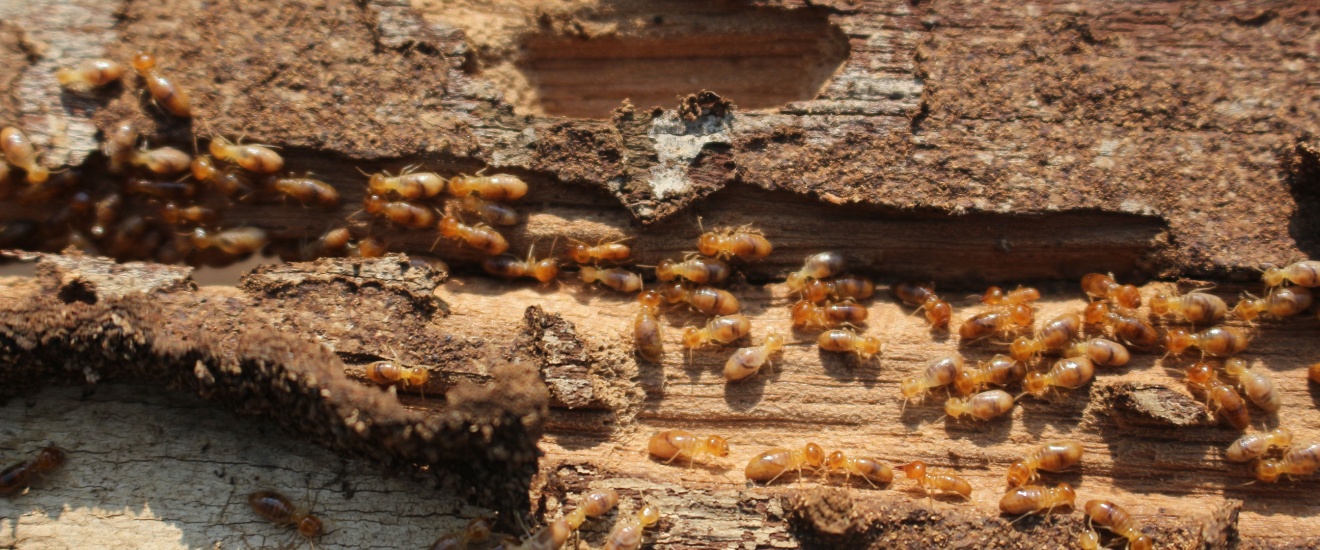
Termites cause more property damage in the United States than fires, floods, and storms combined—and the Mid-Atlantic region has some of the highest termite pressure in the country. Rockville sits squarely in the heavy-activity zone for eastern subterranean termites, the species responsible for the vast majority of termite damage in Maryland. If you own a home in Montgomery County, termite protection is not optional. It is a fundamental part of maintaining your property. Here is what every Rockville homeowner should know.
The Species You Are Dealing With
Eastern subterranean termites are the dominant termite species in the DMV. They live in the soil, build massive underground colonies that can contain hundreds of thousands to millions of individuals, and access wood in structures through mud tubes—pencil-width tunnels constructed from soil, saliva, and fecal material.
Subterranean termites require constant contact with soil moisture to survive. They cannot live inside wood that is disconnected from the ground unless an alternative moisture source is present. Their colonies are in the soil beneath and around your home, and the workers travel through mud tubes to reach the wood they feed on—foundation framing, sill plates, floor joists, subfloor sheathing, and any structural wood accessible from the ground level.
Why Rockville Is High-Risk
Several factors make Montgomery County particularly favorable for subterranean termites:
- Warm, moist soil: The Mid-Atlantic’s humid climate and regular rainfall keep the soil around Rockville foundations moist enough to support large, active termite colonies for most of the year. Even during winter, the soil beneath the frost line remains warm enough for colonies to remain active—they simply forage less aggressively during the coldest months.
- Mature housing stock: Rockville has a mix of homes spanning several decades—from mid-century construction through modern builds. Older homes have had more years of soil-to-wood proximity, more opportunities for moisture intrusion, and more time for termite colonies to discover and exploit the structure. But newer homes are not immune. Any home with wood framing and soil contact is vulnerable.
- Dense vegetation and landscaping: Mulch beds, planting areas, and irrigated landscaping near foundations keep the soil adjacent to the home consistently moist—exactly the conditions subterranean termites depend on. Dense landscaping can also obscure the foundation surface, making mud tubes harder to detect during visual inspections.
- Construction practices: Form boards left in place after foundation pours, wood debris in crawl spaces, siding that extends below the soil line, and decks with posts in direct ground contact all provide termite access pathways that bypass the foundation barrier.
How Termites Get In
Subterranean termites access homes through mud tubes built from the soil to the wood. These tubes can run up the exterior of the foundation wall (visible during inspection), along the interior of the foundation (less visible), through cracks in concrete, along plumbing penetrations, and through any pathway that connects the soil to the wood framing.
The tubes protect the termites from desiccation and predators as they travel between the colony in the soil and the wood they are feeding on in the structure. Breaking a mud tube does not eliminate the colony—the termites simply rebuild it or find an alternative route.
What the Damage Looks Like
Termite damage in Rockville homes is most commonly found at or near the ground level—sill plates, band boards, floor joists, subfloor, and the base of wall studs. The termites consume wood along the grain, creating a layered, honeycombed pattern that weakens the wood from the inside while leaving the exterior surface largely intact.
This is why termite damage often goes undetected for years. The wood looks normal from the outside. It is only when probed, tapped (producing a hollow sound), or exposed during renovation that the extent of the damage becomes apparent.
How Termite Treatment Works
Professional termite treatment in the DMV typically involves one or both of the following approaches:
- Liquid soil barrier: A liquid termiticide is applied to the soil around the foundation, creating a continuous treated zone that kills termites passing through it. The barrier prevents termites from accessing the structure from the soil. Modern non-repellent liquid termiticides also provide a transfer effect—termites that contact the treated soil carry the product back to the colony, where it spreads through the population.
- Bait station system: Monitoring stations are installed in the soil around the perimeter of the home. The stations contain a bait material that termite workers consume and share with the colony through their food-sharing behavior. Over time, the bait eliminates the colony. Bait systems require ongoing monitoring to ensure the stations are active and being consumed.
The appropriate approach depends on the property, the construction type, the level of termite activity, and the homeowner’s preferences. In some cases, both methods are used together for maximum protection.
What Homeowners Should Do
- Schedule annual termite inspections—professional inspection is the most reliable method for detecting activity before damage becomes severe
- Maintain clearance between soil and wood around the foundation—at least six inches of visible foundation between the soil line and any wood framing or siding
- Remove wood debris from crawl spaces
- Pull mulch back from the foundation and keep it shallow
- Fix moisture issues—leaky hose bibs, poor drainage, clogged gutters—that keep the soil near the foundation saturated
- Do not stack firewood against the house
What Pestechs Provides
Pestechs offers comprehensive termite services for Rockville homeowners: detailed inspections, treatment using proven liquid barrier and bait system methods, ongoing monitoring, real estate WDI inspections for home sales, and new construction termite pretreatments. The founder’s background in entomology and biochemistry brings a scientific depth to termite identification and treatment that goes beyond standard spray-and-pray approaches.
If your Rockville home has not had a termite inspection recently—or if you have found signs that concern you—contact Pestechs for a free estimate.